evaluating medical products
In order to evaluate medical products, it is important that the user is able to understand how the product will benefit him or her. This can be accomplished by evaluating the information that is provided with the product. The best source of this information is from a health care provider who is knowledgeable on the specific product and how it can be used. In addition, it is important that the health care provider is able to communicate the benefits of the device to the patient in an easy to understand manner.
In the current healthcare environment, medical devices are increasingly being designed for use outside of a hospital or other clinical setting. This is occurring as a result of medical costs rising and people wishing to manage their own health care in order to control expenses. In many cases, these medical products are being used at home or in other private environments such as an office or school. This can be a positive trend, but the design of these devices must take into consideration that not all users are medical professionals and therefore have different educational and skill levels in using medical equipment.
To help ensure that these medical devices are designed with the appropriate users in mind, human factors evaluation must be considered at an early stage in the development process. This will help to minimize the potential for errors and increase the usability of these devices for users. In addition, it is necessary to understand the environmental conditions in which these devices will be used so that they can be properly adapted for the various expected environments and situations.
What should I look for when evaluating medical products?
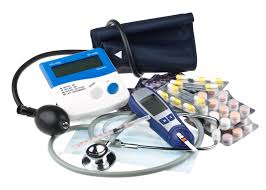
This is particularly true when considering the growing number of medical devices that are designed as consumer products that can be purchased at a local store. These consumer products include a wide range of blood pressure monitors, thermometers, home blood glucose monitoring systems and more. In addition, the stethoscope, originally invented in 1816 by musician Rene Laennec, is now available in a variety of forms including ones that can be worn on your wrist or even attached to your computer as a telemedicine application.
In terms of the evaluation of these medical devices, a number of methods exist for assessing the value they provide to healthcare organizations and their patients. One method is the application of a cost–effectiveness model (CET) to the evaluation of a medical device. A CET compares the expected outcomes of a device to the cost of alternative treatments, including the time and resources required to deliver those results.
Another evaluation method is the application of a health technology assessment (HTA) framework to determine the relative value of a medical device. A HTA involves a structured comparison of the performance, effectiveness and safety of a device against an alternative treatment. In this method, physicians submit the device to a Value Assessment Team (VAT) that will review and critique the device’s impact on clinical outcomes, processes, safety, and cost of care.