Transcribe Music on a Piano
Whether you want to learn to play music by ear or just need a way to keep track of your practice, transcribing is an essential skill. While it may seem intimidating, transcription can actually be very easy once you know a few tricks of the trade.
The first thing you need to do is listen to the piece that you want to transcribe. If possible, try to find a high quality recording with no distractions. Once you’ve listened to the piece, pause it and try to figure out what notes are being played. If you’re unsure, try singing along to the song and see if you can match up the notes in your head with what is being played on the record. This can be especially helpful if you’re trying to transcribe chords.
After you’ve determined what notes are being played, you can start mapping out the song structure. This will make it much easier to build out your own version of the chords, which you can then use to play the song impromptu on piano or whatever instrument you’re working with. It can be hard to map out the structure when transcribing a complicated piece, but doing it as best you can will help you get the most accurate results.
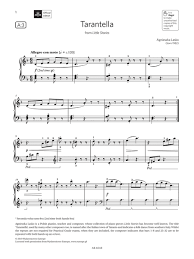
How to Transcribe Music on a Piano
Another thing to consider is the key signature of the piece. Knowing if the piece is in major or minor will help you a lot when trying to determine what notes to write down. You can usually tell by the sound of the song, but if you aren’t sure, it’s worth checking out some interval charts. There are also some apps out there that can help you figure out the key of a piece of music by just entering in a few notes.
It can be very helpful to transcribe a few simple songs before you attempt something more complex. This will give you a feel for the process and allow you to work out some of the kinks in your transcription technique. It’s also important to be realistic about your abilities when it comes to transcribing music. You don’t want to set your expectations too high and end up being disappointed if you can’t accurately transcribe the song.
When transcribing, you should start with a recording that has clearly defined notes and a good bass line. This will make it easier to determine the exact pitch of each note and chord. Then, you can build a chord by matching up the lower and upper notes. It’s also important to understand that different intervals have different sounds. For example, 2nds can sound crunchier, 3rds are more closed and traditional, and 5ths are open.
It can also be helpful to transcribe a few songs in the same style and by the same musician. This will help you familiarize yourself with the voicings that they tend to use, which will make it much easier to recognize them in future recordings.