Flex Circuits Are Used in Consumer Electronics
A flex circuit is a flexible printed circuit board (PCB) that can be bent and manipulated during use without damage to the electrical connections. Flex PCBs are used in a wide range of consumer electronics, including wearable devices like smartwatches and fitness trackers, headsets and augmented reality glasses, and health monitoring patches.
Incorporating flex circuits in your next electronic product design will help you reduce overall weight while adding functionality and maximizing space for other components. Customers commonly see weight reductions of up to 75% when switching from rigid to flex PCBs. The key to making a flex circuit as lightweight as possible is in the layering and material choices. The core of a flex circuit is usually made from a polymer film, typically a thin polyester or polyimide material such as Kapton.
Conductive material traces are etched on the substrate, with copper being the most common. Depending on the application, other metals such as gold or silver may be used for improved conductivity and durability. The conductive traces are then covered with an insulating material called a coverlay that is laminated or bonded to the copper layers and provides protection from moisture, dirt and corrosion.
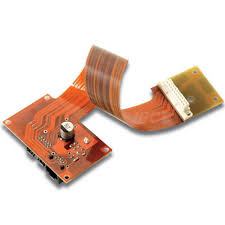
How Flex Circuits Are Used in Consumer Electronics
Another benefit of flex circuits is that they can be manipulated during installation and servicing without damaging the electrical connection. This enables them to be bent and folded into complex 3D shapes and wrap around a component, such as the coils of an electric car. They can also be rolled up or squeezed, and they are resistant to fatigue cracking under repeated bending stresses.
The flexibility of flex circuits can add value to a product by improving the aesthetics, especially when the circuit is embedded within an intricate structure. For example, a hand-held cauterizing tool with a long wire running through it had poor ratings in patient confidence, until the wire was replaced with a sleek, slim flex circuit.
Flex circuits are also ideal for reducing the thickness of a product, freeing up more space for other components and features. In addition, their closely-spaced conductive lines can fit more device populations into a smaller footprint, and the thinner substrate can improve airflow in electronic products by allowing for more space between individual layers of the flex circuit.
In addition to the benefits above, a flex circuit can be manufactured with extremely narrow lines and spaces, which reduces transmission noise and improves signal quality. The tightly-spaced conductive paths are less susceptible to environmental interference, and the flex circuit can also be coated with a shielding material to protect against electromagnetic radiation.
When selecting a flex circuit, it’s important to work with an experienced manufacturer. They will be able to provide a detailed stack-up diagram and help you design a reliable, durable flex circuit for your application. It is also important to understand the stresses that are placed on the flex circuit during installation and service. Unlike rigid boards, flex circuits must be handled gently to avoid work-hardening or fatigue fractures in the copper and other materials. This can occur at tight bend radii and with high-speed flexing cycles, so it is important to plan ahead.