
gravity pipe be installed above ground
A gravity pipe is traditionally installed underground to facilitate the natural flow of fluids using gravity, but it can also be installed above ground in certain situations. Above-ground installations are commonly seen in temporary drainage systems, industrial applications, and areas where excavation is not feasible. While the fundamental principle of gravity-driven flow remains unchanged, above-ground gravity pipes require additional considerations, such as structural support, environmental exposure, and insulation to ensure efficient performance.
One of the main reasons for installing a gravity pipe above ground is to avoid costly and complex excavation work. In rocky terrains, flood-prone areas, or locations with high water tables, burying a pipe may not be practical. Above-ground installations provide a flexible alternative, allowing gravity pipes to be positioned in a way that maintains the necessary slope for fluid movement. This method is often used in construction sites, agricultural irrigation, and emergency drainage solutions.
Structural stability is crucial when placing a gravity pipe above ground. Unlike underground installations where the surrounding soil provides natural support, an exposed pipe must be secured with brackets, beams, or suspension systems to prevent sagging or displacement. Engineers must calculate load-bearing requirements and thermal expansion factors to ensure the pipe remains aligned and functions efficiently over time. Proper anchoring prevents damage from environmental factors such as strong winds, temperature fluctuations, and mechanical vibrations.
Can a gravity pipe be installed above ground?
Another important factor in above-ground gravity pipe installations is protection from external conditions. Direct sunlight, extreme temperatures, and weather exposure can impact the durability of materials like PVC or HDPE. In cold climates, freezing temperatures can cause water inside the pipe to freeze and expand, leading to cracks or blockages. To mitigate these risks, insulation or protective coatings can be applied to maintain consistent flow and extend the lifespan of the system.
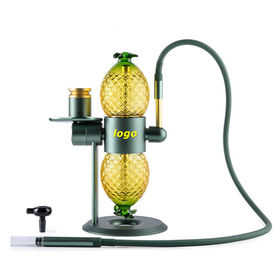
Interestingly, the functionality of an above-ground gravity pipe can be compared to the working principles of a gravity bong. A gravity bong operates by using pressure differentials and water displacement to generate smooth airflow, just as a gravity pipe relies on precise slope and design to maintain fluid movement. Both systems must be carefully structured to avoid leaks, inefficiencies, or interruptions in flow. The concept of controlled movement, whether in a smoking device or a fluid transportation system, highlights the importance of design and material selection.
Despite the challenges, above-ground gravity pipe installations offer versatility and convenience in situations where underground piping is impractical. With proper planning, secure mounting, and environmental protection measures, these systems can function as efficiently as buried pipes. Whether transporting water, wastewater, or industrial liquids, gravity pipes can be adapted to meet diverse needs. Similarly, just as a well-designed gravity bong enhances airflow and usability, a carefully constructed above-ground gravity pipe ensures a seamless and effective flow of fluids.


