pcb flex rigid be used in wearable technology
The integration of printed circuit boards (PCBs) into wearable technology has transformed the landscape of personal electronics, enabling the development of innovative devices that seamlessly integrate into everyday life. Flex-rigid PCBs have emerged as a key enabler in this field, offering a unique combination of flexibility, durability, and compactness that makes them well-suited for wearable applications.
Flex-rigid PCBs are ideal for wearable technology due to their ability to conform to the contours of the human body and withstand the rigors of daily wear and movement. Unlike traditional rigid PCBs, which are rigid and inflexible, flex-rigid PCBs can bend, twist, and flex without compromising electrical integrity or mechanical stability. This flexibility allows designers to create wearable devices that are comfortable to wear and unobtrusive in appearance.
One of the most common applications of flex-rigid PCBs in wearable technology is in smartwatches and fitness trackers. These devices often feature curved or irregularly shaped enclosures that require flexible circuitry to accommodate the form factor. pcb flex rigid allow designers to integrate sensors, displays, and other electronic components into compact and lightweight designs that can be worn comfortably on the wrist throughout the day.
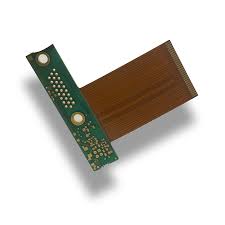
Can pcb flex rigid be used in wearable technology?
Additionally, flex-rigid PCBs are used in wearable health monitoring devices, such as heart rate monitors, blood glucose monitors, and electrocardiogram (ECG) monitors. These devices require reliable electrical connections and precise sensor placement to ensure accurate measurements and data analysis. Flex-rigid PCBs provide the necessary flexibility and stability to support sensitive electronic components while withstanding the mechanical stresses associated with movement and activity.
Furthermore, flex-rigid PCBs are well-suited for smart clothing and e-textile applications, where electronic components are integrated directly into fabric or garments. These wearable devices may include sensors, actuators, lighting elements, and communication modules that require flexible circuitry to maintain functionality while conforming to the shape and movement of the body. Flex-rigid PCBs enable the seamless integration of electronics into clothing, allowing for interactive and customizable experiences for users.
In addition to consumer wearable technology, flex-rigid PCBs are also used in medical wearable devices, such as continuous glucose monitors, wearable insulin pumps, and remote patient monitoring systems. These devices require reliable and robust electronics that can withstand prolonged wear and exposure to body fluids, sweat, and environmental contaminants. Flex-rigid PCBs provide the necessary durability and moisture resistance to ensure the long-term performance and safety of medical wearable devices.
Moreover, the versatility of flex-rigid PCBs extends to niche applications in sports performance monitoring, augmented reality (AR) and virtual reality (VR) headsets, and industrial wearables for worker safety and productivity. In each of these applications, flex-rigid PCBs offer a compact, lightweight, and reliable solution for integrating electronics into wearable devices that enhance the user experience and enable new functionalities.
In conclusion, flex-rigid PCBs play a vital role in the advancement of wearable technology, enabling the development of innovative devices that seamlessly integrate into everyday life. From smartwatches and fitness trackers to medical monitors and smart clothing, flex-rigid PCBs provide the flexibility, durability, and compactness required to meet the unique challenges of wearable applications. As technology continues to evolve, flex-rigid PCBs will continue to drive innovation in wearable technology, enabling new possibilities for connectivity, health monitoring, and personalized experiences.